
Step-by-Step Guide to Coding Interview Data in NVivo

Qualitative interviews are widely used in academic research, professional investigations, and organizational studies to explore experiences, perceptions, and complex social phenomena. Researchers, consultants, and policy analysts frequently rely on interview data to gain deeper insights into human behavior, decision-making, and institutional processes. However, analyzing large volumes of interview transcripts can be challenging without a systematic approach.
Some of the most widely used tools for analyzing qualitative data are NVivo and MAXQDA, which helps researchers organize interview transcripts, identify themes, and analyze relationships within the data. In this article, we have included a step-by-step explanation of coding in NVivo for researchers who conduct qualitative analysis as part of their projects or dissertations. Additionally, we have discussed how to prepare interview data for coding in NVivo.
Understanding Coding in NVivo
Coding is a foundational process in qualitative research that involves assigning labels or categories to segments of data in order to organize and interpret textual information. Through coding, researchers transform raw interview transcripts into structured themes that support meaningful interpretation and theoretical development. In NVivo, codes are stored as nodes, which represent themes, concepts, or categories identified during the analysis process.
The nodes allow researchers to group similar statements across multiple interviews and analyze patterns within participant responses. By systematically applying these codes during coding in NVivo, researchers can identify recurring themes that contribute to a deeper understanding of the research problem.
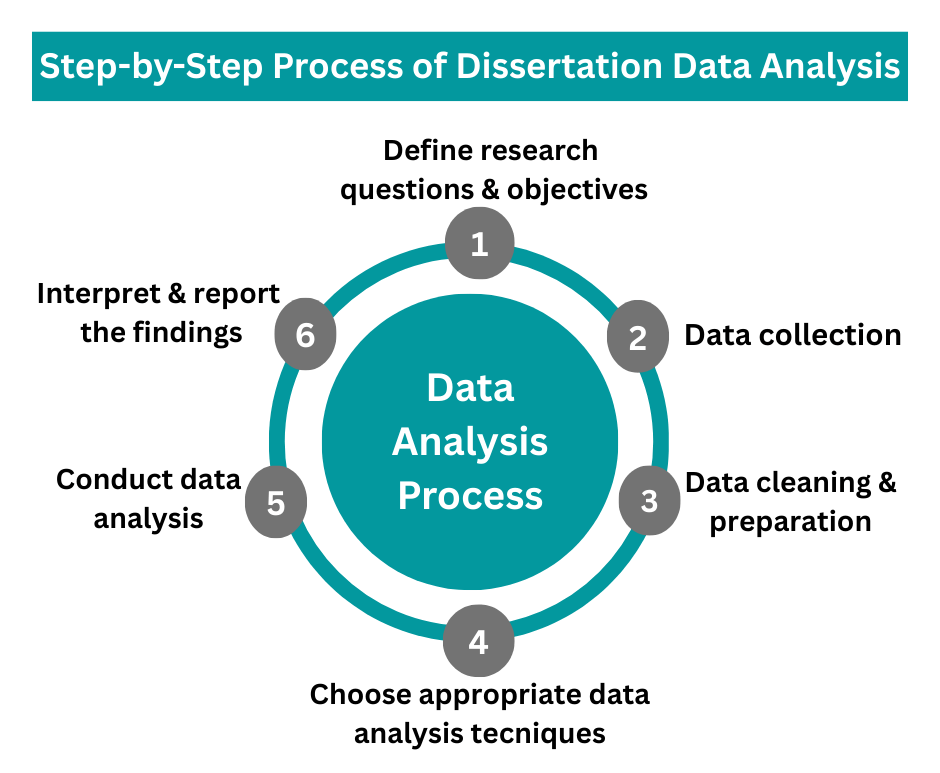
How to Prepare Interview Data for Coding in NVivo
Proper preparation of qualitative data ensures a smooth and efficient coding process. Before beginning qualitative interview analysis, researchers should organize and format their transcripts carefully.
1. Transcribe Interview Recordings
The first step in qualitative data preparation is converting recorded interviews into written transcripts. Transcripts allow researchers to examine participant responses closely and apply codes to relevant text segments. Well-prepared transcripts improve clarity and facilitate systematic analysis.
Important transcription practices include:
- Clearly labeling speakers (e.g., Interviewer and Participant)
- Maintaining consistent formatting throughout transcripts
- Accurately representing participant statements
- Removing identifying information when confidentiality is required
2. Clean and Organize the Data
After transcription, the interview data should be reviewed and organized. This step ensures that the dataset is ready for import into NVivo and reduces confusion during analysis. Organizing and cleaning data is essential in dissertation qualitative methods, whereby methodological rigor is essential. When cleaning and organizing data, researchers should:
- Use consistent file naming conventions (e.g., Interview_P01, Interview_P02)
- Ensure all transcripts follow the same format.
- Ensure anonymity of participants’ information.
- Check transcripts for errors or incomplete sections.
3. Create a New NVivo Project
Once transcripts are prepared, researchers can create a new project in NVivo to manage the data. Creating a well-organized project environment helps researchers maintain structure throughout the qualitative dissertation analysis process. To create a project in NVivo, scholars or professionals should follow the following procedure:
- Open NVivo.
- Select New Project from the main interface.
- Enter a descriptive project title.
- Optionally add a project description explaining the research objectives
How to Code Data in NVivo: A Complete Step-by-Step Guide
The coding stage is the most critical phase of qualitative analysis. NVivo provides several features that allow researchers to systematically categorize interview data. Below is the step-by-step NVivo tutorial for researchers.
Step 1: Read and Familiarize Yourself with the Data
Before applying codes, researchers should carefully read each transcript to develop a comprehensive understanding of the dataset. During this stage, researchers should pay attention to what the information is about, identify recurring ideas or concepts, highlight significant participant statements, and take notes about potential themes, and record reflections in research memos. This initial reading helps researchers develop an informed coding strategy that reflects the data accurately. Getting to know the data well at this stage makes the coding process much easier and more accurate.
Step 2: Create Initial Nodes (Codes)
In NVivo, nodes represent the codes used to categorize data segments. Creating nodes allows researchers to build an organized framework for analysis. To create a node, first, the researcher should click the Create Node in the NVivo interface. Secondly, the researcher should enter the descriptive name of the code, and thirdly, they should include a brief definition explaining the meaning of the node. Clear code definitions improve consistency during coding in NVivo, especially when working with multiple interviews or large datasets.
Step 3: Highlight and Code Relevant Text
Once nodes have been created, researchers can begin assigning codes to relevant portions of the transcript. To code a segment of text, researchers should: First, highlight the relevant section in the transcript. Second, right-click the highlighted text. Third, select Code Selection, and fourth choose the appropriate node.
The above process allows researchers to categorize and structure large volumes of qualitative data, making it easier to retrieve and analyze patterns, relationships, and recurring ideas across the data. Consistent highlighting and coding ensure that important insights are systematically captured and linked to relevant analytical themes throughout the PhD dissertation research process
Step 4: Review and Refine Your Codes
After coding all the data, the researcher should review all the codes and categories to check for consistency, merge duplicates, and adjust labels if needed. Reviewing and refining codes ensures that the coding is accurate and the categories truly reflect the data. The process of reviewing and refining data should be done periodically to help improve the quality of analysis as new patterns or themes may appear in the data.
Step 5: Organize Codes into Themes and Subthemes
After reviewing and refining individual codes, PhD scholars should systematically organize these codes into higher-order themes and subthemes to facilitate meaningful qualitative analysis. Themes represent overarching patterns or concepts emerging from the dataset, while subthemes capture more specific dimensions within each theme. Organizing codes in this hierarchical manner allows researchers to reduce complexity, identify relationships between concepts, and ensure a coherent structure for analysis.
NVivo provides functionalities to create code hierarchies, link related codes, and visualize thematic analysis connections, thereby supporting systematic and replicable data analysis. By rigorously grouping codes into well-defined themes and subthemes, doctoral students can enhance the validity and interpretability of their findings, providing a robust foundation for reporting and drawing evidence-based conclusions.
Step 6: Analyze Patterns and Draw Insights
The final step of coding data in NVivo involves using the organized codes, themes, and subthemes to identify patterns, trends, and relationships within the dataset. NVivo offers visualization tools such as charts, matrices, and models to facilitate exploration and comparison of coded data. Doctoral students can examine the frequency of themes, co-occurrence of codes, or connections between categories to generate evidence-based insights. The analysis stage transforms primary or secondary qualitative data into meaningful findings, supporting robust conclusions or organizational decision-making. Properly coded and analyzed data ensure that interpretations are grounded in systematic and transparent methods.
Tips for Effective Coding in NVivo
- Maintain consistency and reliability: Ensure that codes are applied consistently across the dataset. Use clearly defined coding rules and guidelines to avoid ambiguity and enhance the reliability of the analysis.
- Use memos to capture observations during coding: Memos allow researchers to record thoughts, insights, and decisions while coding. This documentation provides context for codes and supports transparency in the analysis process.
- An iterative approach, revisit codes as new patterns emerge: Coding should be an evolving process. As new themes or patterns become apparent, revisit and refine existing codes to ensure that the coding framework accurately reflects the data.
- Collaborate with multiple coders for validation: Engaging more than one coder enhances credibility. Comparing and discussing coding decisions helps identify inconsistencies, resolve disagreements, and strengthen the trustworthiness of the analysis.
- Reflect on researcher bias: Continuously consider how your perspectives might influence coding and interpretations; memos and team discussions can help mitigate bias.
Summary
Coding interview transcripts is a critical stage in qualitative research data analysis. Without a structured coding process, it can be difficult to identify patterns and meaningful insights within large volumes of interview data. In this guide, we have explained the key steps involved in coding in NVivo, including preparing transcripts, creating nodes, coding text segments, and refining thematic structures.
By following a systematic approach, doctoral students can transform raw interview data into organized themes that support strong conclusions. As a result, NVivo remains a powerful tool for conducting rigorous qualitative research and supporting both dissertation qualitative methods and professional qualitative investigations. Are you a scholar looking for help with qualitative data coding? Contact us today for help with NVivo coding and analysis of qualitative data.